
Published Date: 2 March, 2025
The eCommerce marketplace industry is experiencing massive growth, with projections indicating that the global eCommerce market will reach a staggering $83.26 trillion by 2030, growing at a CAGR of 18.9% from 2024 to 2030. Amid this fierce competition, one player chose a different path. Vinted, the second-hand fashion marketplace, has transformed the way people buy and sell second-hand clothing, shoes, and accessories. This platform stands out for its unique approach, as it focuses on a no-commission approach for sellers, unlike other major eCommerce platforms that charge fees on sales. This business strategy has propelled Vinted to great heights, but at the same time, it raises a key question: how does Vinted make money?
To answer that, this blog will let you take an in-depth look at Vinted’s revenue generation model, breaking down its core income streams and the strategies behind its success. You will also discover how entrepreneurs can apply similar strategies to build their own eCommerce marketplace and how readymade eCommerce marketplace software helps replicate Vinted’s success quickly and cost-effectively.
Table of Contents
What is Vinted?
Vinted is a popular online marketplace primarily focused on second-hand fashion. Launched in 2008, it quickly gained traction as a platform where people could buy, sell, or swap used clothing, shoes, and accessories. Originally based in Lithuania, Vinted has expanded internationally and now serves millions of users across 10 countries, including France, the UK, Germany, and the United States.
What truly distinguishes Vinted is its peer-to-peer approach. With Vinted, there’s no middleman, and users can directly negotiate prices and build trust through community features. Designed for everyday users rather than professional sellers, the platform has built a strong community of budget-conscious and eco-aware shoppers who embrace sustainable fashion.
How Does Vinted Work?
Vinted is designed with simplicity and ease of use in mind. Here’s a quick breakdown of how it operates:
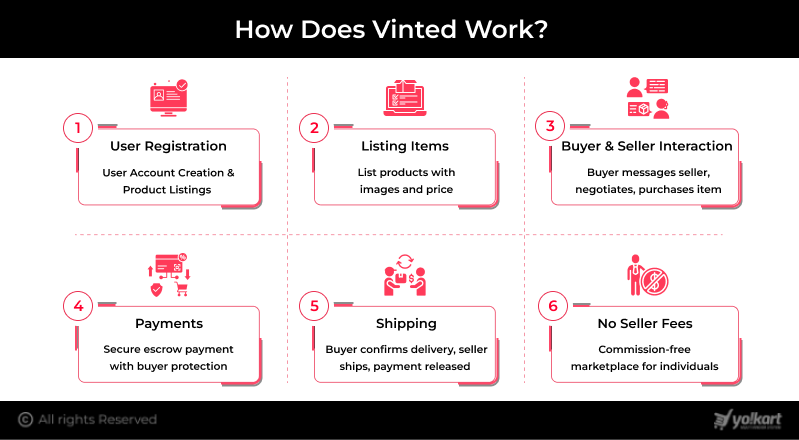
- User Registration: Buyers and sellers create accounts and set up profiles on the platform. Sellers can list their items for free, while buyers browse available listings.
- Listing Items: Sellers upload photos, write descriptions, and set prices for their items. Listings can include categories like clothes, shoes, accessories, and even beauty products.
- Buyer and Seller Interaction: Once a buyer finds something they like, they can message the seller to ask questions, negotiatee prices, or directly purchase the item. Vinted facilitates communication between buyers and sellers.
- Payments: When a purchase is made, the buyer pays Vinted, and Vinted holds the funds in escrow until the transaction is confirmed by the buyer, ensuring protection for both parties.
- Shipping: Once the buyer confirms delivery and satisfaction with it, Vinted releases the payment to the seller. Shipping is typically handled by the seller, though Vinted offers shipping options in some regions.
- No Seller Fees: Vinted stands out by not charging sellers a commission or listing fee, unlike many competitors in the eCommerce space. This makes the platform particularly attractive for individuals looking to declutter or make money from their unused items.
Launch a Community-Driven Peer-to-Peer Marketplace
Key Differentiators: How Vinted Became Popular?
Vinted’s rapid ride in the crowded eCommerce landscape is not accidental. Its growth is driven by a set of strategic choices that directly address user needs and market trends, helping the platform stand out in the second-hand fashion space. Its success can be attributed to several key differentiators:
- No Seller Fees: Unlike many platforms like eBay or Poshmark, Vinted does not charge sellers a commission on their sales. This zero-fee approach removes a major barrier for those who want to sell without losing a percentage of their profits.
- Community Engagement: Vinted has fostered a strong sense of community through its features, such as user profiles, feedback systems, and wish lists. These tools allow buyers and sellers to build trust and engage with each other on a deeper level.
- Sustainability Focus: By promoting the resale and reuse of clothing, Vinted attracts an environmentally-conscious section of buyers and sellers. This sustainability resonates with a broad audience and has helped solidify its position as a leader in the second-hand eCommerce market.
- Global Expansion: Vinted didn’t limit itself to one country or region. The platform’s international expansion, including countries like France, the UK, and the US, has significantly expanded its user base and brand recognition.
- Easy-to-Use App: Vinted’s mobile app is highly intuitive, making it easy for users to list items, browse products, and complete transactions directly from their phones. The seamless user experience plays a critical role in customer retention and satisfaction, which is critical for marketplace growth.
Suggested Read: How to Create a Fashion App like Depop, Vinted, or Mercari?
How Does Vinted Make Money?
Vinted has built a profitable marketplace without charging sellers any commission, a strategy that sets it apart from many competitors. Instead, the platform relies on a mix of buyer-focused fees and value-added services that support transactions while maintaining a seller-friendly environment. Here are the key revenue streams behind Vinted’s business model:
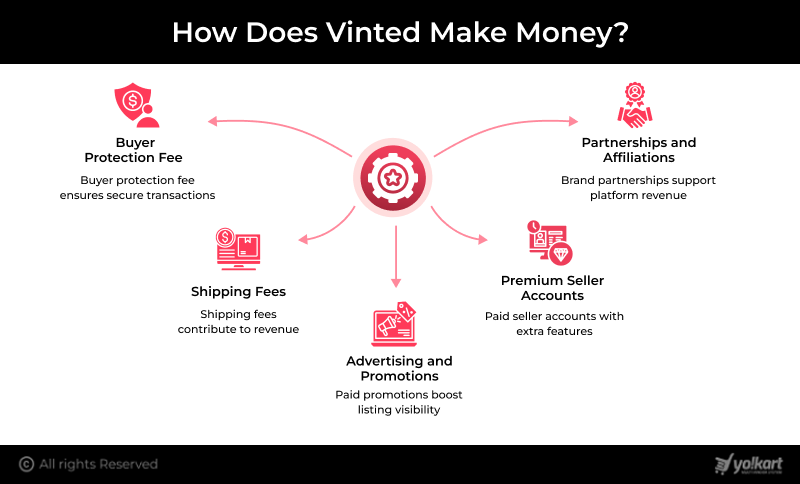
1. Buyer Protection Fee: One of the key ways Vinted generates revenue is through its buyer protection fee. This small fee is added to each transaction made by the buyer and covers the cost of customer service, payment protection, and dispute resolution, ensuring that buyers are safeguarded if an item arrives damaged, differs from its description, or gets lost in transit. This fee strengthens trust and encourages more purchases on the platform.
2. Shipping Fees: In many regions, Vinted generates revenue by offering prepaid shipping labels that sellers can purchase directly from the platform. This simplifies the shipping process and ensures that the items are sent securely. These shipping fees are typically passed on to the buyer, while Vinted earns a margin based on package size, weight, and destination.
3. Advertising and Promotions: While advertising is not Vinted’s primary source of revenue, the platform does offer paid promotional features for sellers who want to boost the visibility of their listings. This allows sellers to reach more potential buyers and increase their chances of selling.
4. Premium Seller Accounts: Another significant revenue stream for Vinted comes from subscription-based premium seller accounts. These plans offer a range of advanced tools such as enhanced listing visibility, performance insights, and marketing features that help sellers maximize their success on the platform. The cost of these premium accounts varies based on the package selected, and sellers pay on a monthly or annual subscription basis.
5. Partnerships and Affiliations: Vinted also generates revenue through partnerships and affiliate programs. The platform collaborates with various brands, retailers, and services that align with its target audience and business model. These collaborations can include co-marketing opportunities, where Vinted and its partners share marketing efforts to reach a broader audience, or brand sponsorships that help increase visibility for both parties.
These diversified revenue streams allow Vinted to sustain growth while keeping the platform accessible and attractive for everyday sellers.
Want to Create a Buyer-Focused eCommerce Platform?
Revenue Chart: Yearly (2020 – 2025)
The following figures provide an estimated snapshot of Vinted’s revenue growth in recent years. As with many private companies, exact revenue figures may vary, but industry reports indicate a strong and consistent upward trajectory.
| Year | Revenue Estimate (in millions) |
| 2020 | $161.9 million |
| 2021 | $267.2 million |
| 2022 | $403.5 million |
| 2023 | $649.6 million |
| 2024 | $886.6 million |
| 2025 | over $1.09 billion |
This steady increase in revenue reflects its growing user base, expansion into new regions, and effective monetization strategy. Its ability to scale while maintaining a seller-friendly model demonstrates the growing demand for second-hand marketplaces and the strength of its diversified revenue streams.
Suggested Read: Cost to Build a Marketplace Website in 2026
Key Insights for Startups or Marketplace Owners
Building a successful eCommerce marketplace like Vinted requires careful consideration of several factors, such as user-trust, accessibility, and long-term value creation. To achieve this, startups must align their platform features, user experience, and monetization approach with the real needs of both buyers and sellers. Here are some key takeaways for startups or marketplace owners:
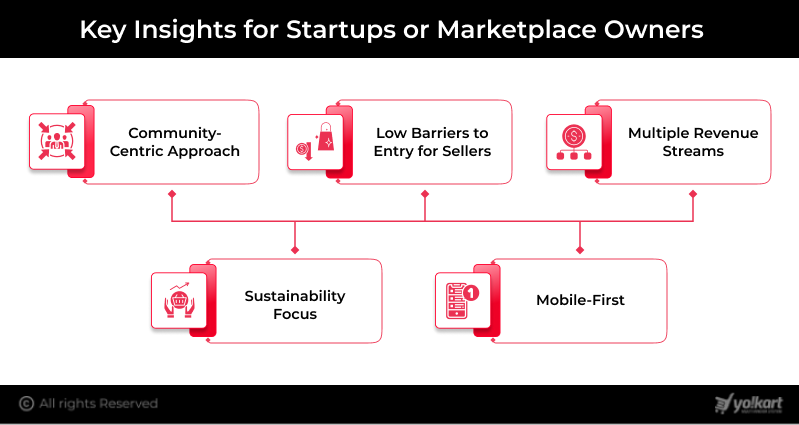
- Community-Centric Approach: Focus on creating a loyal and engaged community by offering features like feedback systems, wish lists, and easy communication between buyers and sellers. These features help build trust, retain users on the platform, and encourage repeat transactions.
- Sustainability Focus: The rising demand for second-hand commerce presents a major opportunity. Positioning your marketplace around trends like sustainability and second-hand buying, attract a growing segment of eco-conscious consumers.
- Low Barriers to Entry for Sellers: Like Vinted, avoid high fees for sellers to encourage more participation and growth in your marketplace. A seller-friendly approach can accelerate marketplace liquidity and growth.
- Mobile-First: Prioritize mobile app development to ensure that users can engage with your platform anytime and anywhere. Additionally, a responsive, intuitive mobile experience ensures convenience, higher engagement, and stronger retention across your platform.
- Multiple Revenue Streams: Relying on a single revenue source can limit scalability. Explore diverse revenue streams such as buyer protection fees, shipping services, advertising tools, subscriptions, and premium features to build a resilient business model.
How to Build an eCommerce Marketplace like Vinted
Building an eCommerce marketplace like Vinted from the ground up requires significant time, effort, and resources. However, a faster and more practical approach is to use a ready-made eCommerce marketplace software solution or a Vinted clone script that already includes essential features. These solutions are pre-built, market-tested, and designed to help you launch quickly while keeping costs under control. With built-in customization options, you can tailor the marketplace to your niche without starting from scratch.
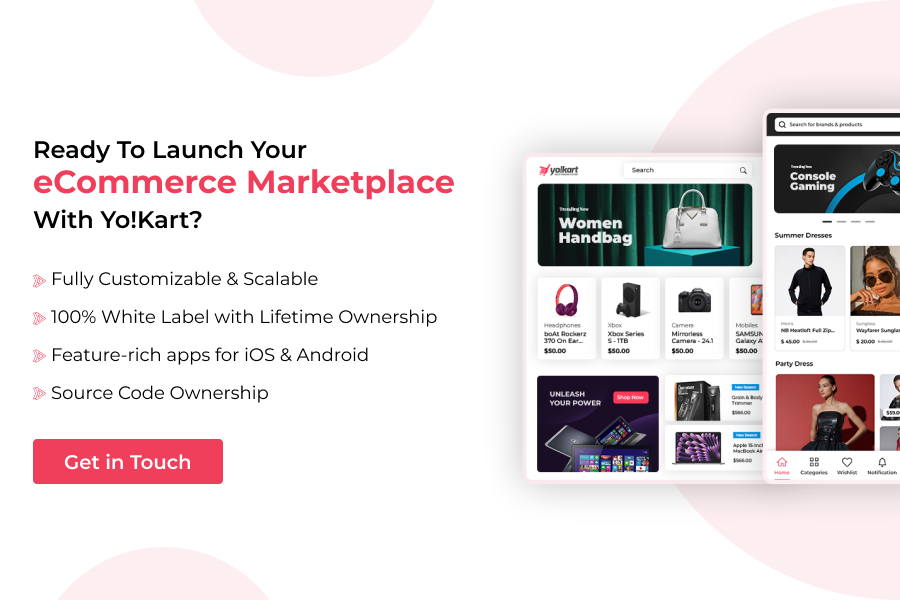
One of the most reliable options available for building a Vinted clone is Yo!Kart, a comprehensive eCommerce marketplace software built specifically for multi-vendor businesses. It enables entrepreneurs to create a platform with similar functionalities and a user-friendly interface.
Yo!Kart: The Best eCommerce Marketplace Software for Building a Vinted Clone
Yo!Kart is an advanced eCommerce marketplace solution designed to help entrepreneurs quickly build and launch a fully functional platform like Vinted. Whether you want to create a marketplace for second-hand goods, clothing, or any other category, Yo!Kart offers all the features you need to scale and replicate the success of popular platforms like Vinted.
Key Benefits of Yo!Kart:
- Pre-built Features: Yo!Kart comes with a complete set of features such as multi-vendor support, advanced search options, payment gateway integration, and real-time order tracking, allowing you faster entry to market.
- Customization Flexibility: You can easily customize the look and feel of the software to match your brand identity. Yo!Kart allows you to modify everything from the theme to the checkout process.
- Cost-Effective: With Yo!Kart, you avoid the high costs associated with custom development, making it an affordable choice for entrepreneurs while still getting a professional-grade marketplace.
- Scalability: As your marketplace grows, Yo!Kart’s scalable architecture ensures your platform can handle increased traffic and transactions without performance issues.
- Mobile-Friendly: Yo!Kart is responsive across all devices and offers native mobile apps, ensuring that users have a seamless experience whether they’re shopping on desktop or mobile.
- Security: With integrated security features like SSL encryption and secure payment gateways, Yo!Kart ensures the safety of user data and transactions.
See Yo!Kart in Action
Conclusion
Vinted’s success has proved that a marketplace does not need to rely on seller commissions to thrive. By prioritizing user trust, community engagement, and smart buyer-focused revenue streams, it has built a platform that delivers real value to both buyers and sellers while scaling sustainably.
For entrepreneurs looking to build a similar platform, the opportunity in the fast-growing second-hand economy is significant. Leveraging a ready-made eCommerce marketplace software like Yo!Kart can accelerate your journey, reduce development costs, and help you enter the market with a robust, scalable platform. With the right technology and strategy in place, you can quickly build and launch a successful marketplace, helping you tap into this profitable and ever-growing sector.
FAQs
Q 1. Does Vinted charge both sides of its marketplace?
Ans. No, Vinted does not charge sellers a commission on sales. Instead, it primarily generates revenue through buyer protection fees on each transaction, along with optional shipping services, promotional tools, and premium seller accounts that enhance visibility and selling performance on the platform.
Q 2. Why is Vinted’s no-seller-commission model successful?
Ans. Vinted’s no-seller-commission model lowers the barrier to entry, encouraging more sellers to list items and expand inventory. A larger selection attracts more buyers to the platform, which ultimately drives more transactions and strengthens network effects, allowing the platform to generate revenue from buyer services and value-added features instead of seller commissions.
Q 3. Can I build a marketplace using Vinted’s business model?
Ans. Yes, you can build a similar marketplace using Vinted’s business model by prioritizing user trust, minimizing seller costs, and monetizing through buyer protection fees, subscriptions, advertising, or logistics services. Using a ready-made marketplace software like Yo!Kart can accelerate development, reduce costs, and provide essential features needed to launch and scale efficiently.
Q 4. What features make a marketplace competitive in today’s eCommerce landscape?
Ans. To compete in today’s eCommerce landscape, your marketplace should include:
- A strong community focus
- Mobile responsiveness
- Low fees for sellers
- Secure payment systems
- A wide range of product listings
- Scalable technology infrastructure
- Reliable buyer protection
- Smart search and filters
Q 5. Can I customize Yo!Kart to match my brand?
Ans. Yes, you can customize Yo!Kart to match your brand. It offers extensive customization, allowing you to tailor the design, features, and functionality to suit your brand’s unique needs. This flexibility helps entrepreneurs launch a differentiated marketplace while maintaining scalability, performance, and control over future enhancements.
Ready to Launch Your Own Vinted-Style Marketplace?
Contact UsPopular Posts